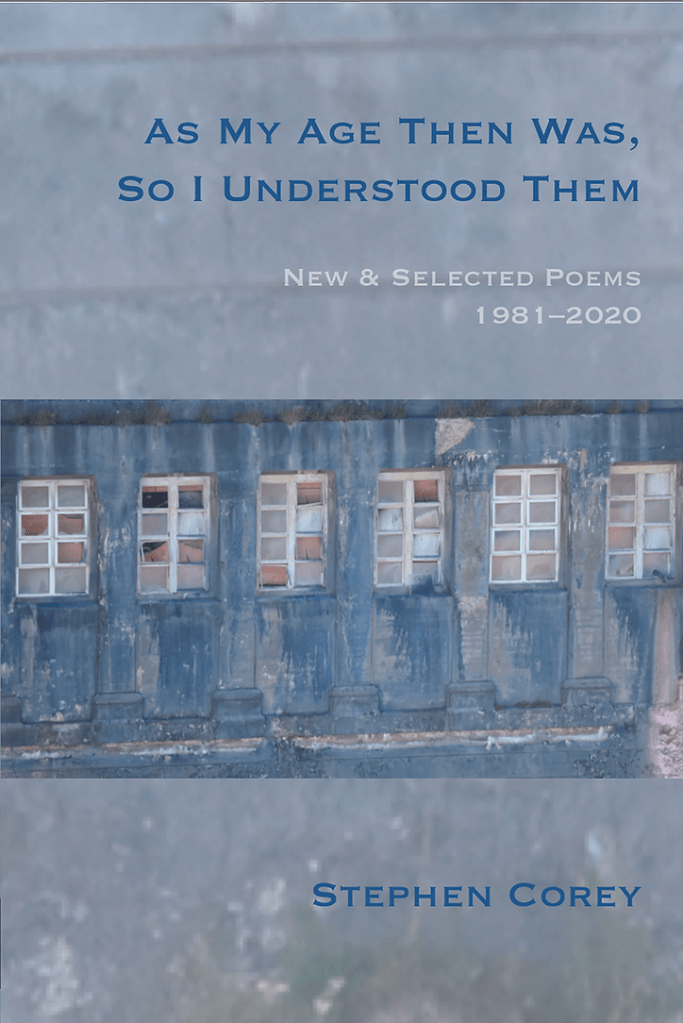
The Bard of Athens, Georgia: A Review of Stephen Corey’s “As My Age Then Was, So I Understand Them: New and Selected Poems 1981-2020”

This review was first published in James Dickey Review, Vol. 38, 2022
During his decades-long career as a poet, teacher, and editor, Stephen Corey has surely been exposed to a wide variety of styles, forms, tones, and genres from a multitude of writers and poets. Yet, he continues to write in his own distinct and original voice. At times sentimental, often irreverent, Corey guides the reader from the familiar into the unexpected and effortlessly transitioning to the uncomfortable yet with the support of a father’s hand as if to say, “See, this is what the world is really like,” just before bringing the reader back to a warm embrace. 

In his latest collection, As My Age Then Was, So I Understand Them, Corey supplements poems gleaned from some of his previous publications with a set of new, uncollected pieces to create a 40-year retrospective of the artist’s work. However, this collection is more than just a collection of greatest hits, more cohesive than a “Portable Corey.” By reaching back to different time periods in his life, Corey reveals to the reader what was important to him at particular points in his life.  The poems are arranged mostly in ascending chronological order with the exception that the newer poems appear first. And although it is interesting to compare the progression of his craftsmanship through the years, it is equally impressive to note that these poems, in their entirety, just seem to belong together as one cohesive compendium. The publication dates serve more as a key to background and prospective rather than a progression to mastery. Yes, there are differences between the early and later works, but the quality is there from the beginning and does not ebb. 

The perpetual student will find empathy and understanding in many of these poems. In “What We Did That Year, and the Next,” the process of breaking in books in order to read them is used as a metaphor for preparing fifth-grade students to learn “…in the words that wouldn’t stop / if only we kept on opening.” In “Freshman Lit & Comp,” a professor is underwhelmed by a young blue-collar man who seems to have little interest in studying the literary masters until he discovers Homer’s descriptions of Hephaestus, Greek god and patron to those who toil.

Striving for perfection and beauty with the knowledge that we, the artist, will never quite get there is the theme of “New Delight.” Despite this comprehension, the artist eventually learns that the beauty truly exists in the very act of endeavoring as we create “The poem, painting, song–the golden ring / we miss and miss, our arms too short although we lean. / The botched creation holds the vital thing.” In another poem, “The World’s Largest Poet Visits Rural Idaho,” Corey addresses the conundrum of why artists continue to ply their craft oftentimes in the face of unbelievable sacrifice and why we feel the drive to continue our work. Because it has to be done in order for one to come to terms with oneself, and sometimes simply “…because the battered humming / in his head will not stop.”

The collection also serves as a love letter to Corey’s art and the artists who influenced him. Emily Dickenson makes a few appearances: one as an apparition in “The Ghost of Emily Dickinson (1830-1886) at the Kroger Gas Station;” another in “Called Forward,” a dual eulogy for both Dickinson and Corey’s father who lived almost exactly a century apart; and “Emily Dickinson Considers Basketball,” an ode to the sport in the style of the master. Even when his tongue is firmly planted in cheek, Corey adroitly honors his mentors and those who have deeply influenced him. He dedicates an entire section of some of his newest work entitled “Learning from Shakespeare.” And in a poem written earlier in his career, “Understanding King Lear,” the poet stirs a container of yogurt while pondering the Bard’s everyday life inviting the reader to “imagine / Shakespeare’s life, / the daily incidents, / the human brilliance.” 

This famous Howl I hold is worlds

these women/girls will likely never know—

world of ecstatic suffering,

world of suffering made ecstatic art—

for they are not bound toward impoverished dissolution,

nor likely to follow their father

on his voyeur’s journey through the text

toward many worlds he will likely never know.

Yet here they are, showing there is no limit

to what might align in the total animal soup of time.

As above, some of the most endearing poems in the collection are the ones dedicated to Corey’s children. “Learning to Make Maps” begins with his seven-year-old daughter drawing a map to her friend’s house for her father to follow later when he goes to pick her up. The dad reflects on his own childhood and the image of his own father and tells his daughter, “I will be there when you finish / I promise this map will do.” The poem, “My Daughter Playing Beethoven on My Chest,” reflects on a scene where a nine-year-old girl “on the absolute edge / between her dying childhood and / that confusing ecstasy to come…” plays invisible piano keys with her fingers on his chest: “Beethoven’s ‘Ode to Joy’ thrummed above my lungs / as if she were typing out a secret/ well-known message.” The father acknowledges that although he is unable to play music as well as his young daughter, he certainly “had ear enough to follow / the lead of her growing fingers—” 

In “To My Daughters at My Death,” the poet contemplates his own death as he addresses his daughters for what he imagines will be the final time, and he pleads, “where have we left ourselves now that we’re possessed / by the separate worlds we’d only feared or ignored, / now that I have no hand to touch your hands?” Corey seems to be very conscious of how his own eventual death will affect his children, and this theme of mournful inheritance is revisited in other pieces such as “Editing Poems During a Hospital Deathwatch” where an editor tries to work while his mother-in-law slowly dies, or in “The First,” a sentimental poem about the death of a first lover. 

Corey takes a deeper dive in reflecting on former lives in “Divorce,” a poem about a man who attends his ex-wife’s funeral. Accompanied by their grown daughters, he silently addresses the deceased, “As ever, I don’t know how to leave—/ which last words to blurt across this mound, / which woman to clutch as I turn, / which wrong choice to make once more.” Then in “Spreading My Father’s Ashes,” the poet reflects on his troublesome relationship with his father as he is asked to fulfil one final request where “Dropping becomes throwing / as the path circles back to the cabin, / the circuit of the land / more finished than the task. / I aim for things, but miss. / A wind-shift fires one throwing / straight back in my face.”

The poems in this collection are thoughtfully entertaining. They are, at the same time, both literary and playful, sentimental and mischievous, heartfelt and erotic. There is much to absorb for the poetry enthusiast and the practicing artist. In Corey’s poems, every word counts. The style and rhythm of the lines work together in an almost natural way to either emphasize or lay bare the metaphor and meaning for which each poem reaches. Corey challenges the reader and, especially fellow poets, to treat the subject matter and the emotion respectfully while not taking themselves too seriously. It is refreshing to see how proudly a writer gives tribute to those who have influenced him, even more so when that writer himself has influenced so many. 
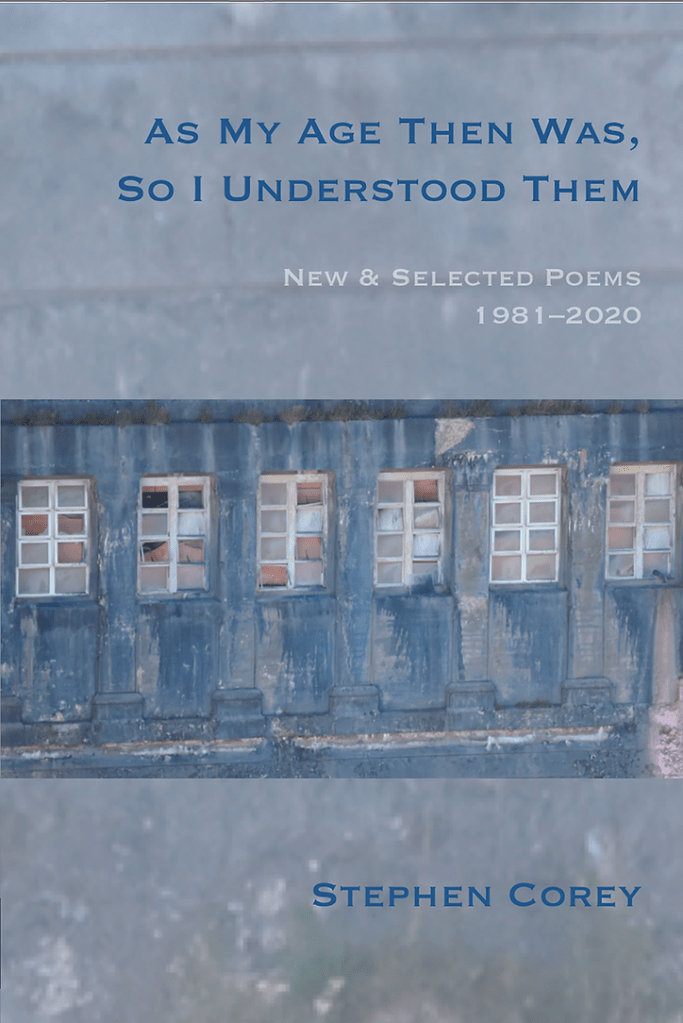
As My Age Then Was, So I Understood Them: New & Selected Poems 1981-2020 by Stephen Corey

WHITE PINE PRESS, AUGUST 2, 2022

“The Ballad of Cherrystoke and Other Stories” by Melanie McGee Bianchi — Southern Literary Review

To the surprise of many who were raised on Hee Haw and The Beverly Hillbillies, the Appalachian region, rich with Scots-Irish, African-American, Hispanic, European, and Native American influences, positively simmers in diversity, like a pepper sauce in the stew that makes up the region’s populace. An expanse where abject squalor lives hand-in-calloused-hand with blue collar…

“The Ballad of Cherrystoke and Other Stories” by Melanie McGee Bianchi — Southern Literary Review

Book Review: “The Hammerhead Chronicles” by Scott Gould

Prize-winning author Scott Gould has a unique way of taking diverse characters found in everyday life and shoving them together in unbelievable, yet somehow awkwardly familiar circumstances to create stories filled with wickedly sharp humor, heart-rending grief, and soulful observations on the human condition. The native South Carolinian has authored a collection of short stories, a memoir, and a debut novel all released to critical acclaim. His latest novel, The Hammerhead Chronicles, however, may be his best yet.

Read the complete review at Reckon Review

You can also click on the image above to buy the book from The University of North Georgia Press or look for it in your favorite bookstore.

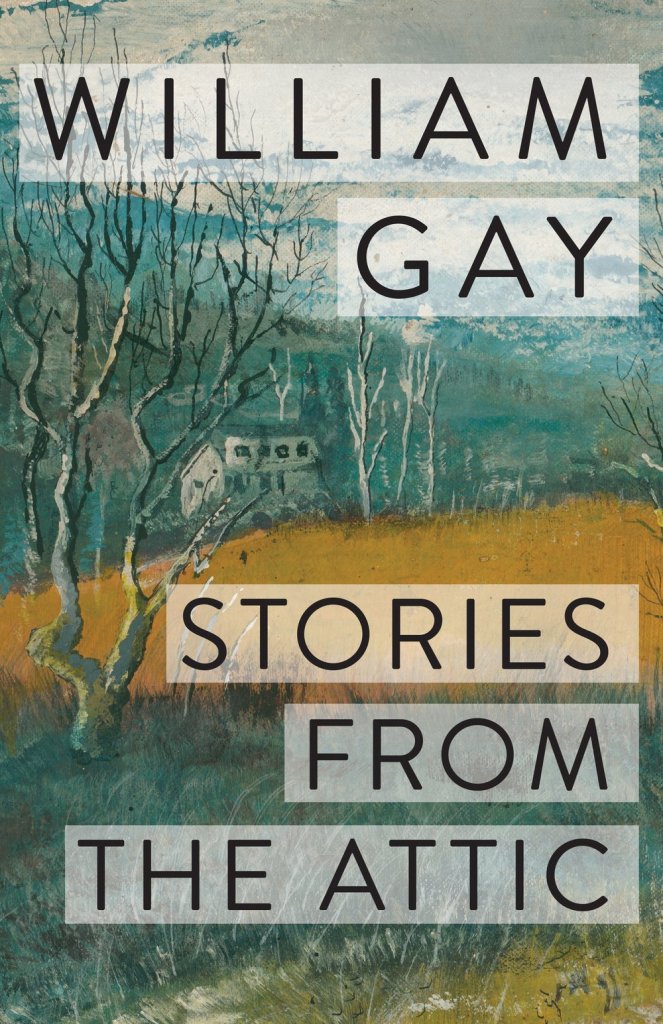
Book Review: “Stories from the Attic” by William Gay

“The short stories and story fragments in this collection are vintage William Gay and unequivocally Southern Gothic. From a Machiavellian police officer to a small-time hustler with a makeshift corncob prosthetic to a vengeful old woman’s ghastly pickling skills to sins that traverse multiple generations, Gay weaves his gritty tales around a cast of very real yet borderline supernatural residents of his legendary Tennessee landscape.”

Southern Literary Review graciously published my review of William Gay’s latest posthumous work. You can read the complete review here.

You can also click on the image above to buy the book from Dzanc Books or look for it in your favorite bookstore.

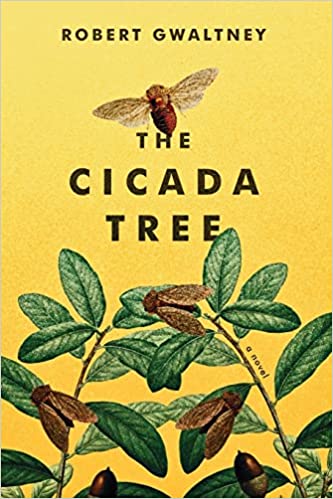
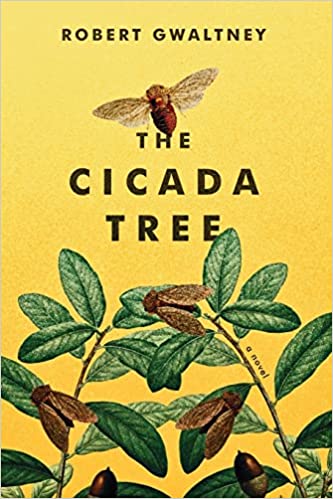
Book Review: “The Cicada Tree” by Robert Gwaltney

The Cicada Tree by Robert Gwaltney

MOONSHINE COVE PUBLISHING, FEBRUARY 22, 2022

Robert Gwaltney’s The Cicada Tree takes place in mid-century, rural South Georgia. A place where racial segregation and social class division serve as a background to a fascinating story about a local wealthy family and the secrets they harbor. And I’m not talking about typical “skeletons in the closet” secrets that all families have, especially in the South. I’m talking about secrets that, if told, could alter lives, towns, perhaps even the course of history. 

The story begins with two young girls, one White and one Black–both third-graders and best friends, collecting “bushels” of cicada husks in their back yard. Analise is the precocious daughter of Claxton, the town drunk, and Grace Newell, a woman “gifted” with forbidden talents. Etta Mae is an orphaned girl living with her grandmother, Miss Wessie, who is the live-in made for the Claxtons. Both girls have extraordinary natural talents for music. Analise, a seeming magnet for trouble, also has a flair for mischief with level-headed and sweet Etta Mae serving as her conscious. 

The 13-year, generational cicadas are a constant presence and din throughout the story. A biblical pestilence that seems to presage a greater storm on the horizon. One that eventually will break over the town of Providence, Georgia, laying bare the troubled secrets of the Mayfield family. 

“They done come back you know?” He cupped his hand to his disfigured ear. “Can’t you hear them? Them ole locusts…they got secrets they keep. Things they know and keep buried deep down in the ground with them–until they have the mind to come back. To sing out what they know…mind your secrets,” Halbert said. “Keep ’em close.”

The Mayfields, Kingston and Cordelia, are wealthy socialites and owners of the Mayfield Pickle Company, the only major employer in town. Along with their daughter, Marlissa—also a third-grader, the family shares a mysterious attractiveness known as that “Mayfield shine.” A bizarre charm and allure that goes far beyond their impeccable beauty. They also share a troubled past—one filled with secrets, tragedy, and perhaps even ghosts. After all, what would a good Southern Gothic novel be without a maybe-ghost that represents past sins?

After a fire burns down the private school where the local rich kids are isolated away from the rural working-class kids, Marlissa Mayfield begins attending the public (White) school where she immediately becomes the most popular kid and begins a complicated and dangerous friendship with Analise. A mind-bending relationship that threatens to pull apart everything Analise holds dear. 

Gwaltney’s descriptions of rural life in the segregated South are cinematic in both texture and girth. His use of dialogue, with only a smattering of vernacular—just enough to feel authentic, is a real treat to read. Equally impressive is his ability to realistically drive the first-person point of view of an eleven-year-old girl from the 1950s. One who is challenged both by the stifling social norms of her time and the magical realism that invades her world. 

Pick up a copy of The Cicada Tree at your favorite independent bookstore or the usual on-line sellers. Clicking on the cover image below will take you to the Amazon site. 

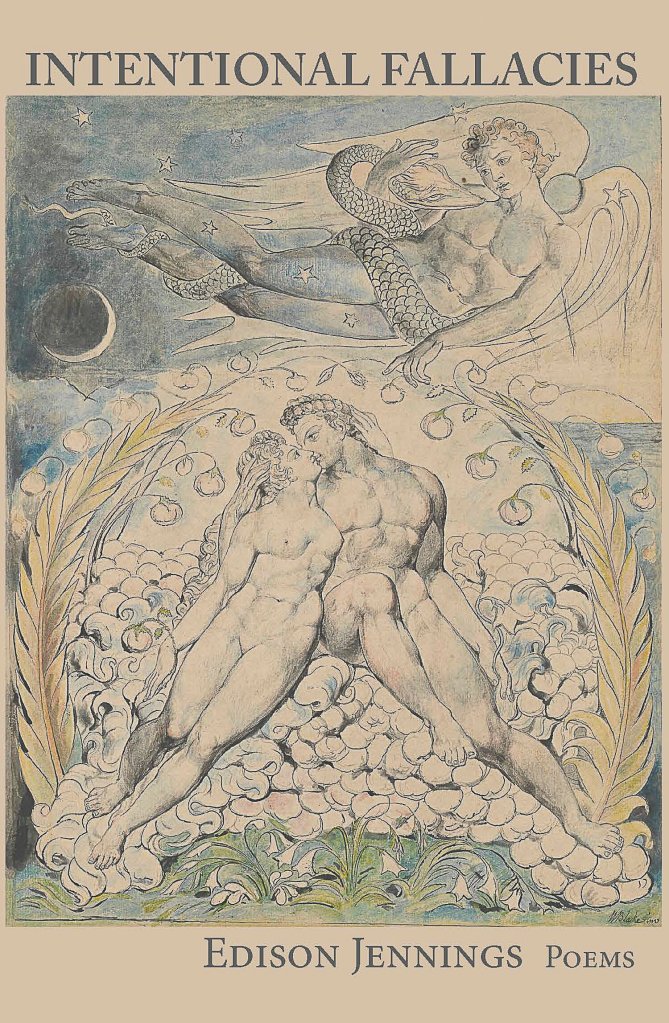
Book Review: “Intentional Fallacies” by Edison Jennings

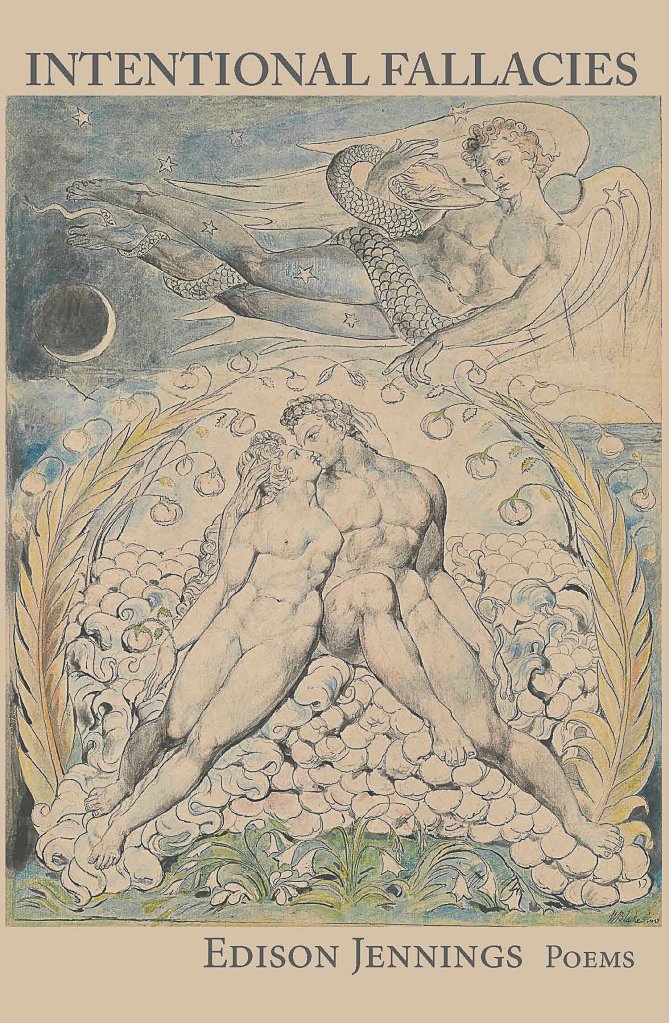
Intentional Fallacies – Poems by Edison Jennings

BROADSTONE BOOKS, JUNE 15, 2021

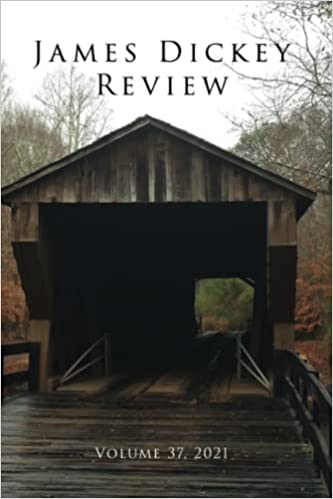
A version of this review was published by the James Dickey Review, 2021.

Why is it that we seem predestined to live our lives clinging to false doctrine designed to keep us mindlessly avoiding truth, in spite of daily proof that our misconceptions are irrational? In a time when having the loudest megaphone trumps reason, is there a place for critical thinking? Is there still room for true empathy? In his first full-length collection of poems, Intentional Fallacies, Edison Jennings explores the themes of falling from grace and its consequences, life and death, and what ultimately defines the sacred and profane. But perhaps most importantly, Jennings engages the reader to reexamine what they have been told to think and, instead, to use compassion as the way to find truth and understanding.

As in his previously published chapbooks (ReckoningSmall Measures, and A Letter to Greta), Jennings, in this 2021 release, proves to be a brilliant observer of the people and places in his native southwestern corner of Virginia. While illuminating the defilement and subsequent ruin of the once beautiful—now dying—towns of Appalachia, he wastes no time with subtleties. Instead, he slices with precision, revealing a misunderstood and complex world.

Jennings searches for, and typically finds, dignity in the citizens of these dust-choked mining towns. Many of whom are simultaneously addicted to both substance and survival. In the poem “Country Song,” a couple does what it takes to subsist in rural America:

and he drives a long-haul truck, 

popping Addies to stay awake,

selling weed for an extra buck

to pay off their subprime loan

and not have their house repo’d.

“We’re screwed,” he says, “screwed to the bone.”

And despite their flaws, or perhaps because of them, Jennings finds beauty and treats his characters with respect:

And though they get high, they somehow survive

and manage to raise three kids

(who say they’ll visit, but never arrive).

Last night she held him while he was asleep

and heard him mutter, “ain’t nothing will keep.”

Whoever dies first, the other will weep.

Biblical references abound in many of the poems, juxtaposing the holy and the irreverent, a contrast no doubt common in many parts of the world but conspicuously predominant in the ancient hills of the eastern U.S. where Saturday nights and Sunday mornings can often be as different as, well, night and day. For example, in “Spontaneous Combustion,” sheep farmers come up on a burning stump. One of the men insist it is a burning bush, where he then “… knelt and asked its name…”. The two farmers begin drinking from a flask and joke about the divine imagery as they continue “working the meadows, drinking whiskey, mending fence, / sipping fire that maketh glad the heart of man.”

Hinting at the Eden-like splendor that once existed in these rural communities, Jennings pulls back the curtain exposing the horror brought on by greed, poverty, loss, and hate. Through many of his poems in this collection, Jennings examines people who have been put in the ironic situation where, in order to live, they must dedicate their lives completely to the one thing that will ultimately lead to their deaths. In “Tipple Town,” the residents desperately cling to religion and community as a major coal plant shuts down, eliminating jobs and leaving the town in state of apocalyptic dystopia:

The coal dust settles everywhere,

and fish are dying in the creek.

Mama thinks death’s in the air.

The coal dust settles everywhere.

Now Daddy drinks and doesn’t care

that mining made his lungs real weak.

The coal dust settles everywhere,

and fish are dying in the creek.

Jennings lays bare the hypocrisy of having compassion for only those who look like us, believe in our own traditions, or come from our own towns. Three narrative poems, “Cold Spring Morning and the Grade School,” “The Klansman,” and “My Fascist” cunningly reveal how unconditional love can shelter appalling horrors in our families, friendships, and communities. How we unquestioningly allow love and hate to somehow justifiably coexist.

Jennings reserves his most scathing treatment to those who willfully refuse to acknowledge the plight of their community, those who succumb to the allure of greed, those who strive to prove their worth by denigrating their very own neighbors, those who use tradition to justify hate. Similar to the paradox of how destructive industries or substance abuse can be both sustenance and death to the poor, Jennings demonstrates how the self-proclaimed righteous deliberately excuse, or in many cases, embrace those in power who are often responsible for bringing them ruin. In “The Financier’s Lenten Confession, A Dramatic Monologue,” a rich man reveals that as long as he appears pious to the working class, he will continue to be revered despite his greed and manipulation. 

And while these concepts certainly pertain to our current tumultuous times, they are not new observations. Far from it. They are simply extensions of time-tested manipulations observed in societies since the beginning of time. The cover Jennings chose for this collection (Satan Watching the Endearments of Adam and Eve – one of the many illustrations created by poet and artist William Blake for an 1808 edition of John Milton’s Paradise Lost) is evocative and gives a hint of what is found inside. 

To take the metaphor one step further, Jennings demonstrates our gullibility before or during our seemingly inevitable falls from grace. The Dickey-esque poem “Rainstorm” tells of the youthful naivety of a reckless, hell-bound road trip “across the rich and sinful South.” Jennings then explores the unspeakable grief that often accompanies our collapse such as in “Blue Plate Special,” where a girl’s father and her boyfriend share a dinner together after her untimely death. 

The poems collected in Intentional Fallacies are not only the continuation of the story of the fall of man, but how we struggle with the consequences of decisions—those made by us, and those made for us. Jennings uses gut-punch imagery to paint a desperate landscape populated by soulful people struggling against dire situations, and yet still searching for love and peace and meaning. These poems are expertly crafted and easily accessible, especially those written in narrative free verse. However, it is perhaps the more structured poems, with their almost singsong rhythms and clever rhymes that are most memorable in the collection, evoking the oral tradition of storytelling that has been handed down across time, civilizations, and traditions in this small corner of the world and beyond. 

Available at Broadstone Books (click on image below), independent bookstores, and Amazon.

A previous version of this review was published in the 2021 issue of the James Dickey Review. Special thanks to the editors who worked with me to make this review better!

Book Review: “Drowned Town” by Jayne Moore Waldrop

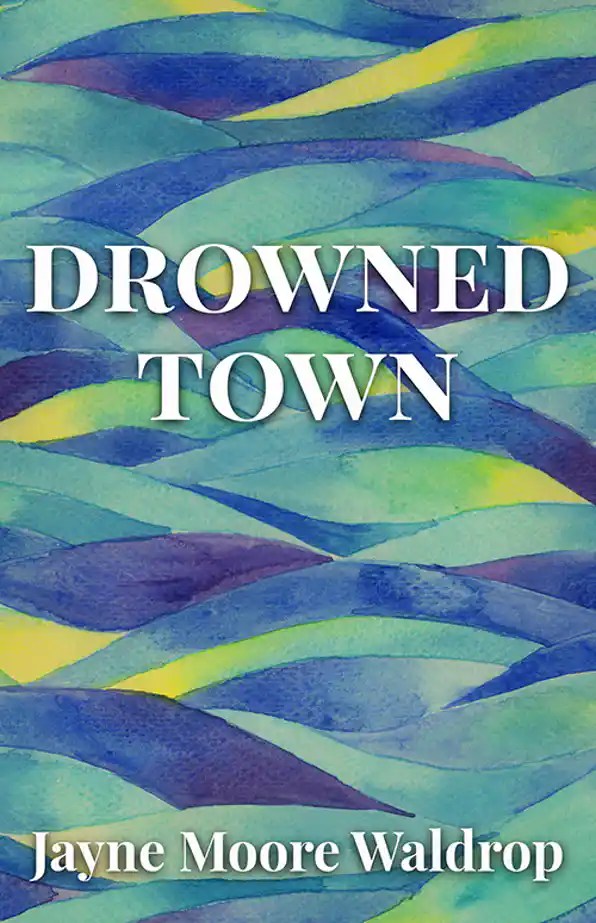
Drowned Town by Jayne Moore Waldrop

THE UNIVERSITY PRESS OF KENTUCKY, OCTOBER 26, 2021

During the Great Depression, Franklin D. Roosevelt, established the Tennessee Valley Authority (TVA) as a one of his New Deal programs. The TVA was tasked with building hydroelectric dams in the Tennessee Valley area to generate electricity, provide flood control, create jobs, and energize the economy of the particularly hard-hit areas of the Southeastern U.S. From the 1940s to 1960s several dams were built across the region, changing the geography and displacing many river-based communities through the use of eminent domain. 

In her debut novel, Drowned Town, Jayne Moore Waldrop explores the impact these reservoirs had and still have on families haunted by their removal from their homes, farms, and ways of life a half century ago. The story follows multiple generations of connected families who once lived in the town of Eddyville, Kentucky. A town now sitting at the bottom of Lake Barkley on the Cumberland River near the Land Between the Lakes National Recreation Area. 

“The sign memorialized U.S. presidents, vice presidents, and governors from Kentucky and Tennessee, but failed to mention the people who had lived in the town and given up their homes as the giant lake rose. They had been told their sacrifice was for the public good. They were never told how much they would miss it, or for how long.”

One of the two main characters is Cam Weatherford, an architect in her late 40s who was six-years-old when her blue-collar family was moved from their ancestral home to the newly-built town of Sycamore during the construction of the Lake Barkley dam in the 1960s. Now living in Nashville, she marries her childhood friend Owen with the wedding taking place near their hometown in a remote, recently-restored church that had been hidden and forgotten for decades after the valley was flooded. 

“For the last few months she had focused on the future—whether to get married, what kind of wedding suited them—but today the past pulled at her.”

The second main character is Margaret Starks, Cam’s best friend since college and a high-powered and successful lawyer from an aristocratic Louisville family. Despite the two women’s contrasting backgrounds they share a sisterly bond. In Cam’s simple but supportive family, Margaret finds a stronger family bond that she had in her cold relationships with her own mother and father. However, because of her demanding legal practice in Louisville and the recent passing of her husband and parents, she has grown a bit distant from her best friend. While at her friend’s wedding, she rekindles her relationship with Cam’s family and meets Neville, an unsuspecting intellectual and another of Cam’s childhood friends. 

As a result of her reintroduction to her Lake Barkley friends and the slow implosion of her life in Louisville, Margaret begins to find what is missing in her prosperous but desolate existence—a supportive family, a sense of purpose, and an appreciation of community. 

“She now saw the place for what it was, one transformed by immeasurable loss but where something beautiful rose from all that was missing.”

In her novel, Waldrop explores many themes, such as love, loss, sisterhood, and the exhausting search for self-worth. But woven throughout the poignant narrative is the notion of change (sometimes unwanted, sometimes desperately needed) and the appreciation of the factors that make a place a home. 

Available in hardcover at The University Press of Kentucky (click on image below), independent bookstores, and Amazon.

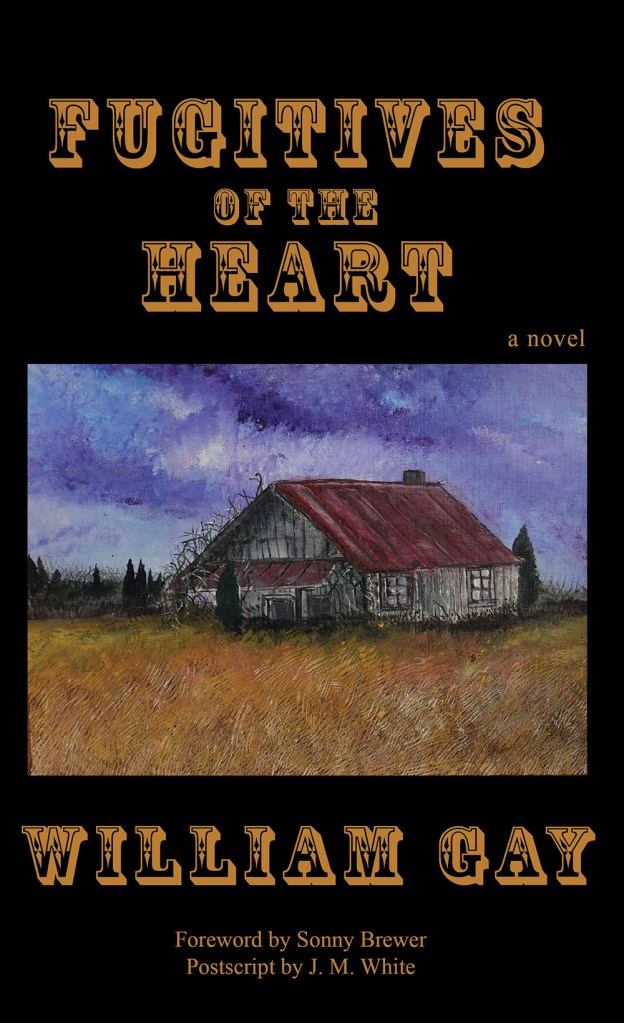
Book Review: “Fugitives of the Heart” by William Gay

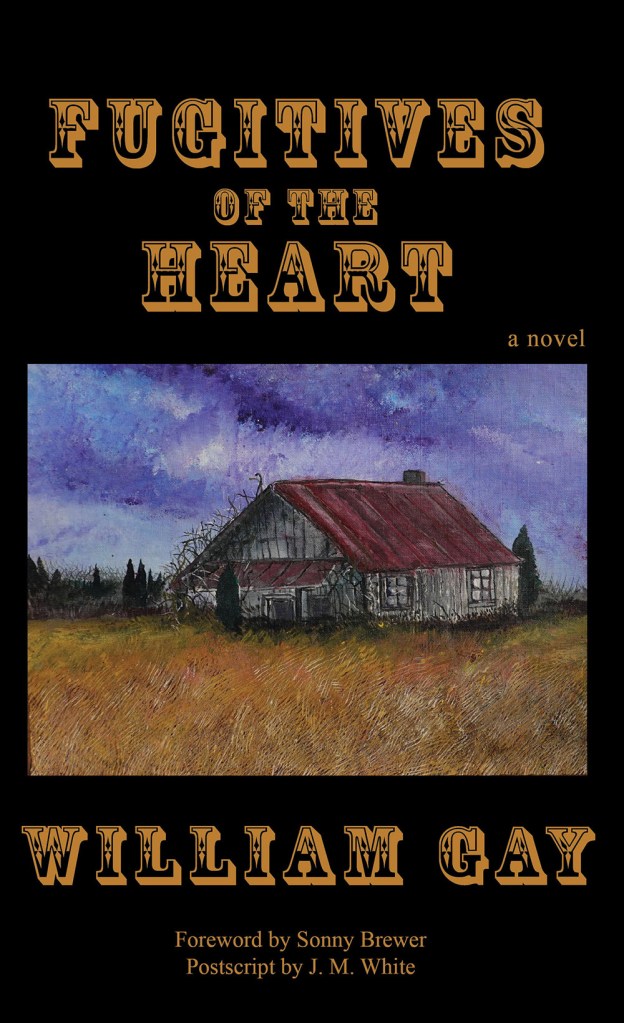
“Fugitives of the Heart” by William Gay

LIVINGSTON PRESS, JUNE 30, 2021

Born and raised in poverty in Lewis County, Tennessee, William Gay was a self-taught writing savant who honed his craft through extensive reading and an obsessive desire to put his stories down on paper. He began to receive literary notoriety in 1998, but he was far from an overnight success. His first novel, The Long Home, was not published until Gay was in his late 50s. Those who knew William tell stories about how, despite the overwhelming obstacles placed before him, he persevered to become an important voice in Southern literature. 

Before his death in 2012 at the age of 70, Gay saw three of his novels published as well as a couple of novellas and three collections of prose and short stories. But, it turns out that readers had only scratched the surface of the body of work of this extraordinary author, who spent forty years or more writing in relative obscurity. Through the remarkable efforts of J. M. White and William’s family, several more complete manuscripts and copious notes and letters have been unearthed from scattered boxes. Three novels have been posthumously published from this treasure trove, and a fourth (Fugitives of the Heart) has just been released. 

Like most of Gay’s novels, Fugitives of the Heart takes place in mid-20th century, rural Tennessee. The fictional setting is one that was familiar to the author who grew up in a time and place that lagged behind much of the rest of the country in its efforts to shed the horrors of the Great Depression and gives the story a kind of post-apocalyptic vibe. 

“The train went on into the falling night past farmers and past rich fields heavy with corn, past weary sharecroppers who’d let the night fall on them leading their mules from the darkening fields, past leaning clapboard shanties yellowlit against whatever prowled out there in the darkness.”

The protagonist, Marion Yates, is a half-wild teenager who is coming to age in the 1940s in a deteriorating mining community. With an outlaw father who is murdered for trying to steal food for the family and a prostitute mother dying of tuberculosis, Yates is forced to fend for himself. With a Huck Finn-like passion for freedom and distain for civilized society, the boy rambles through both wilderness and what passes as civilization in a series of adventures which are at times both heartbreaking and darkly comedic. 

Similar to Mark Twain’s Adventures of Huckleberry Finn, the episodic plot is held together with the main storyline concerning the relationship between the boy, Yates, and a free-spirited black man on the run named Crowe.  However, while Twain certainly haunts this novel, Fugitives is not a retelling of a classic. The dark mood, the themes, the lyricism is classic William Gay storytelling. 

A common problem with episodic plots is coming up with a good ending. Twain solved this problem, though in an arguably unsatisfactory manner, by bringing back his wildly popular Tom Sawyer to conclude the narrative. But in Gay’s world, there is no dashing savior who can swoop in to rescue the downtrodden. The characters, and the reader, are left exposed to the realistic, violent, glorious grittiness which has become a hallmark of great Southern Gothic literature. 

In addition to Twain, Gay openly displays other literary influences in the novel. He seems to have found that elusive middle ground of writing in a very descriptive, poetic style yet one that is approachable enough for a casual reader looking for a southern lit fix. Gay’s writing effortlessly combines the impactful punches of Cormac McCarthy’s terse writing and William Faulkner’s love of language. And while some may argue that Gay’s prose can at times seem overly ornate, a careful reading will show that each sentence is carefully written, each word prudent and perfectly used. 

“He willed himself to make his body immutable as stone and imperishable to the harshest weathers that the world could send. He stared across the grave and across the preacher whose worn hands kept trying to stay the windrustled pages and to shield them from the first slant drops of rain the wind brought. Across the valley to the far soft-folded hills where the hollows lay in dark secrecy and where pale mist rose and doves called mournfully as hawks rode the updrafts of winds like vaguely chastening kites of metallic feathers.”

Fugitives of the Heart is not just any old posthumous novel. It was not released in order for heirs to make money on something the author never wanted to see published. This wasn’t a half-written story, and this isn’t a money grab. Instead, this completed work of art was gifted to us by a group of dedicated scholars and fans who want the rest of the world to know and recognize the genius of William Gay. 

If you’re new to William Gay, this novel is not a bad place to start. And if you’re already a fan, you certainly don’t need me to tell you that this is a must have in your collection. 

Available in hardcover at Livingston Press (click on image below), independent bookstores, and Amazon.

Available in Hardcover at Livingston Press, independent bookstores, and Amazon